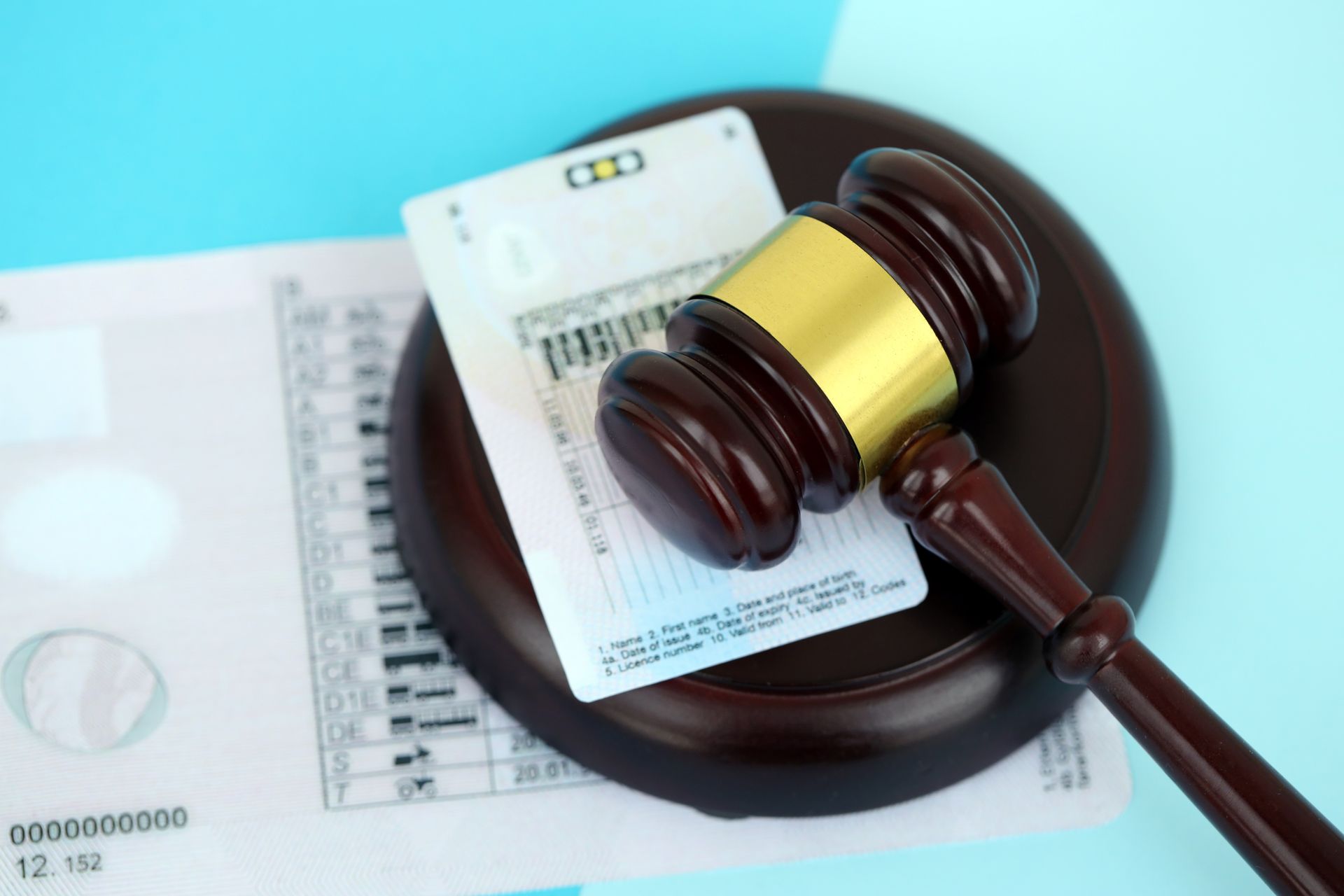
Working to Restore Your Driving Privileges
Forrester Law assists clients seeking driver's license restoration in Wayne & Monroe County, Michigan.
If your driver's license has been suspended or revoked due to DUI convictions, repeat offenses, or habitual violations, you may be eligible to apply for reinstatement or a restricted license. Forrester Law helps you understand what steps are required, what documentation you need to gather, and how to present your case to the Michigan Secretary of State. Clients in Wayne & Monroe County often face complex restoration processes that require compliance with court orders, completion of classes, and proof of changed behavior.
Your attorney will review your driving record, assess your eligibility, and help you prepare for your restoration hearing. This includes gathering letters of support, proof of sobriety or treatment, employment records, and any other evidence that demonstrates you are ready to drive responsibly. The hearing officer will evaluate whether you have met all requirements and whether granting your license back serves the public interest.
If you need help restoring your driver's license in Wayne & Monroe County, contact Forrester Law to begin the process and understand what your case will require.
What the Restoration Process Actually Involves
Restoration begins with determining your eligibility based on the length of your suspension, the nature of your offenses, and whether you have completed all court-ordered requirements. Forrester Law will request a copy of your official driving record and review it for errors or incomplete information. In Wayne & Monroe County cases, your attorney also verifies that any ignition interlock device requirements, substance abuse programs, or fines have been satisfied before filing your petition.
Once your petition is filed, you will attend a hearing where you must demonstrate that you have addressed the issues that led to your suspension and that you are unlikely to reoffend. Your attorney will prepare you for the types of questions the hearing officer will ask and help you organize supporting documents. Hearing officers look for consistency, accountability, and proof of lifestyle changes.
If your petition is denied, you may be eligible to reapply after a waiting period. Forrester Law can help you understand what went wrong and how to strengthen your case for the next hearing. Some clients qualify for a restricted license that allows travel to work, school, or medical appointments while they continue meeting restoration requirements.
People want to know what they need to do
License restoration involves multiple steps, and most clients have practical questions about timing, eligibility, and what the hearing officer will focus on during their case review.
Forrester Law has helped clients in Wayne & Monroe County regain their driving privileges after suspensions and revocations by preparing thorough petitions and guiding them through the hearing process. If you are ready to pursue license restoration, get in touch to discuss your eligibility and what comes next.